.png)
Bathroom Waterproofing Failure Causes Hidden Mould Growth in Kingsgrove Home

By Michael Nguyen
A recent mould remediation project in Kingsgrove, NSW highlights a problem we see regularly across Sydney homes: a failed bathroom waterproof membrane leading to hidden moisture, structural damage, and extensive mould growth behind tiles and wall linings.
You can view a short video from the project here:
At AAA Mould Removal, we were engaged after moisture intrusion from a failed shower waterproofing system had caused significant contamination behind bathroom finishes. Due to the extent of the damage, the entire bathroom required strip-out and remediation under full containment conditions.
The Hidden Danger of Waterproofing Membrane Failure
Many homeowners assume mould only grows on visible bathroom surfaces such as grout lines, ceilings, or silicone seals.
In reality, the most serious contamination often develops behind walls and beneath tiled surfaces where moisture remains trapped for months or even years.
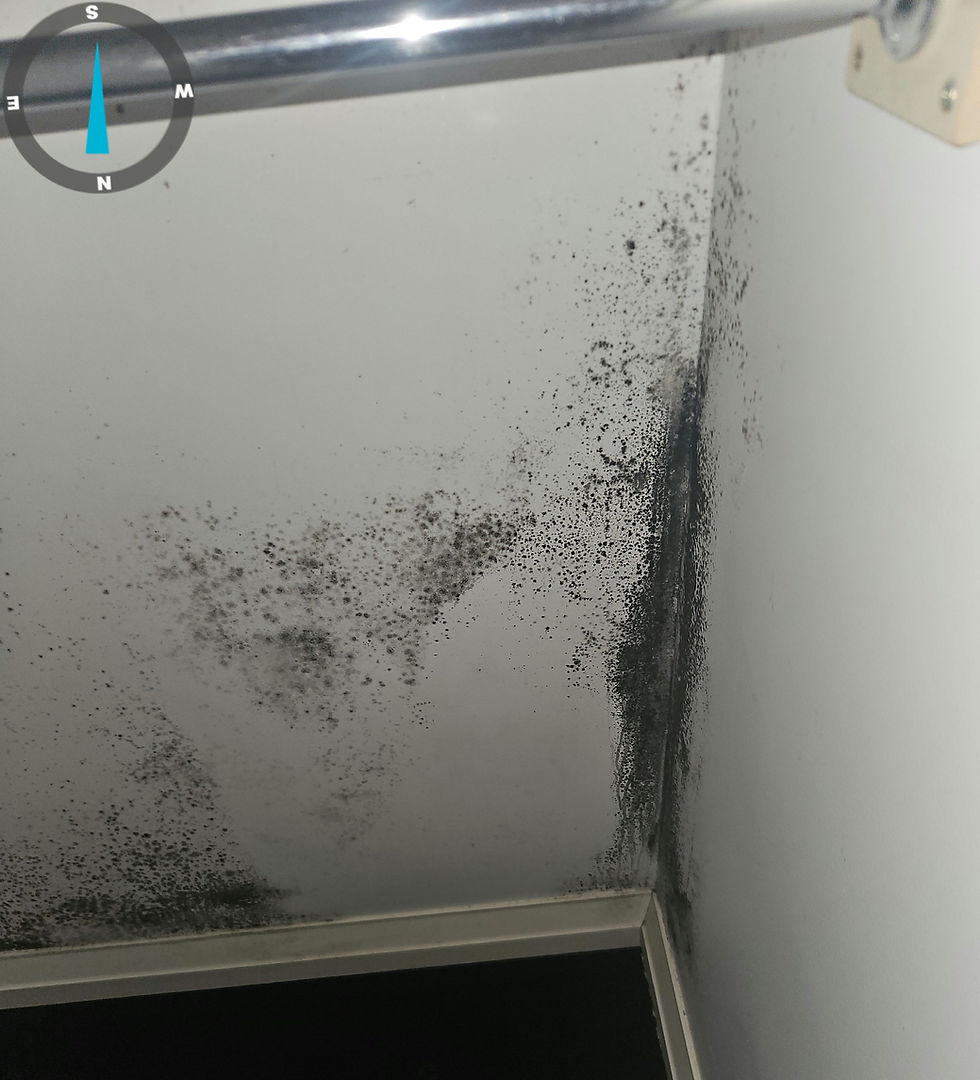
When a waterproof membrane fails, water can penetrate:
- Wall cavities
- Timber framing
- Plasterboard linings
- Flooring systems
- Insulation materials
- Adjacent rooms
Over time, these damp conditions create the ideal environment for mould colonisation.
By the time visible signs appear, extensive contamination may already exist behind the bathroom finishes.
Initial Assessment and Investigation
During our inspection of this Kingsgrove property, moisture readings indicated elevated moisture levels within multiple building materials surrounding the shower area.
The moisture source was traced back to a waterproof membrane failure within the bathroom.
The damage extended beyond surface finishes, affecting concealed building components that could not be effectively remediated without demolition.
Following assessment, a complete bathroom strip-out was recommended to eliminate contaminated materials and access hidden mould growth.
Setting Up Containment in Accordance with AS-IICRC S520:2025
When mould contamination is disturbed during demolition, millions of microscopic spores can become airborne.
Without proper containment, these spores can spread throughout the home and contaminate previously unaffected areas.
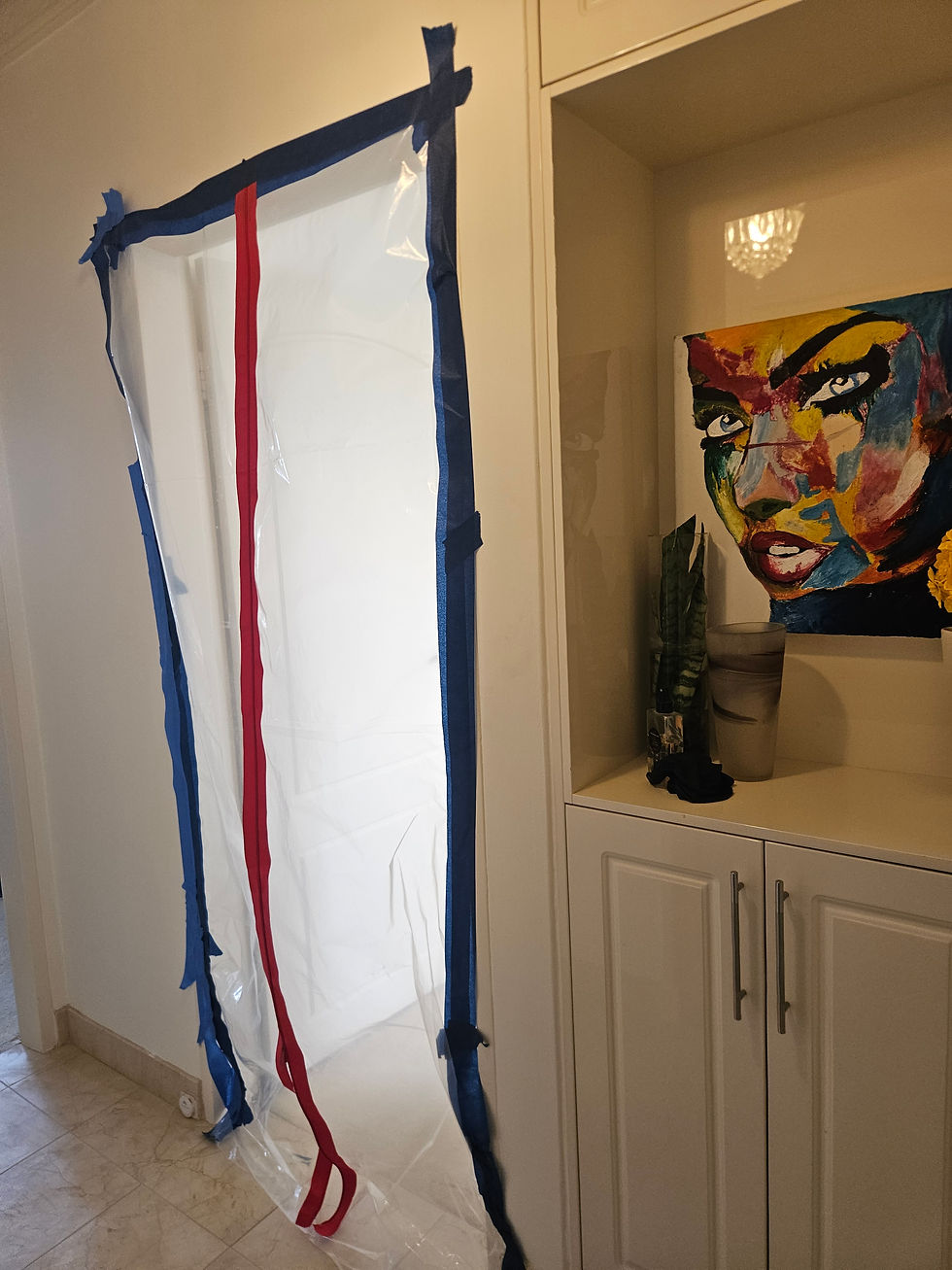
For this reason, we established a full mould remediation containment system before any demolition work commenced.
Our containment included:
Full Polyethylene Containment
The bathroom was isolated from the remainder of the home using sealed polyethylene barriers.
HEPA Negative Air Filtration
HEPA-filtered negative air machines were installed to maintain negative pressure within the work area.
This helps prevent airborne spores from escaping the containment zone during demolition and remediation activities. Professional mould remediation standards recognise containment and HEPA-filtered negative air systems as critical engineering controls for preventing cross-contamination.
Personal Protective Equipment (PPE)
All technicians wore appropriate PPE, including:
- Full-face respiratory protection
- Protective suits
- Gloves
- Eye protection
Worker safety is a key component of professional mould remediation projects.
Bathroom Demolition and Mould Removal
Once containment was verified, the bathroom strip-out commenced.
The demolition process included removal of:
- Tiles
- Plasterboard
- Waterproofing layers
- Affected framing components where required
- Other non-salvageable materials
Porous building materials that have sustained significant mould contamination often require removal because mould hyphae can penetrate deeply into the substrate. Professional remediation standards emphasise removal of unsalvageable mould-contaminated materials as part of the remediation process.
Throughout the project, HEPA air scrubbers operated continuously to capture airborne particulate and mould spores generated during demolition.
Cleaning and Detailed Remediation
Following demolition, all remaining structural surfaces underwent detailed cleaning procedures.
The remediation process included:
- HEPA vacuuming
- Detailed surface cleaning
- Removal of settled spores and debris
- Moisture management
- Structural drying where required
The objective is not simply to remove visible mould but to return the affected environment to a normal fungal condition while addressing the underlying moisture source.
Why Waterproofing Failures Should Never Be Ignored
A leaking shower or failed membrane may initially seem like a minor issue.
However, hidden moisture can lead to:
- Extensive mould growth
- Timber decay
- Structural deterioration
- Indoor air quality issues
- Increased remediation costs
Early investigation can often prevent the need for major demolition works.
If you notice:
- Musty odours
- Loose tiles
- Cracked grout
- Persistent dampness
- Bubbling paint
- Water staining
it is important to have the area professionally assessed.
Professional Mould Remediation Across Sydney
AAA Mould Removal provides professional mould remediation services throughout Sydney using science-based remediation protocols and industry best practices.
Our team specialises in:
- Bathroom mould remediation
- Waterproofing failure investigations
- Hidden mould detection
- Structural drying
- Post-remediation verification
- Indoor air quality assessments
Every project is approached with a focus on source removal, contamination control, occupant safety, and long-term prevention.
Need Help With Bathroom Mould?
If you suspect hidden mould behind bathroom walls, leaking showers, or waterproof membrane failure, contact AAA Mould Removal for a professional assessment.
Our experienced team services all Sydney suburbs and can help identify moisture problems before they become major mould contamination events.
Related Services
- Mould Removal Sydney: https://www.aaamouldremoval.com.au/mouldremovalservice
- Mould Testing & Monitoring: https://www.aaamouldremoval.com.au/mouldmonitoring
- Book a Mould Inspection: https://www.aaamouldremoval.com.au/bookmouldinspection
Frequently Asked Questions
Can a failed waterproof membrane cause mould?
Yes. A failed waterproof membrane allows water to penetrate behind tiles and wall linings, creating ideal conditions for mould growth in concealed areas.
Why is containment necessary during mould removal?
Containment prevents mould spores from spreading to unaffected areas of the property during demolition and cleaning activities. Professional remediation standards use containment and HEPA-filtered negative air systems to control airborne contamination.
Can mould be removed without removing tiles?
In some situations, yes. However, when mould growth exists behind tiled surfaces due to waterproofing failure, removal of affected materials is often necessary to properly address the contamination.
What is negative air pressure?
Negative air pressure is created using HEPA-filtered air scrubbers that remove air from the containment area faster than it enters, helping prevent airborne spores from escaping into the rest of the building.
---
About the Author
Michael Nguyen is the founder of AAA Mould Removal and a leading expert in mould remediation and building science.
He is IICRC Certified in Water Damage Restoration, Applied Microbial Remediation and Applied Structural Drying. Michael studied Microbiology at RMIT University, is a licensed builder and carpenter with a Diploma in Building & Construction, and is currently completing a double Bachelor degree in Medical Science and Environmental Science at Macquarie University.
He specialises in residential and commercial mould remediation, black mould treatment, indoor air quality investigations and water damage restoration throughout Sydney.
Contact AAA Mould Removal today for a comprehensive mould inspection and remediation assessment.


Comments